About the Books
These are the books on my recommended reading list. I return to them myself, and I often mention them in sessions. Below is a short note on each: what it is about, and how it connects to the work we might do in counselling, and to life more broadly.
None of them is required reading, and none is a substitute for counselling. Some people find that a book puts words to something they have been feeling for a long time. Others prefer to read later, once the work has begun. Take what is useful, and leave the rest. You can find the full list on the Resources page.
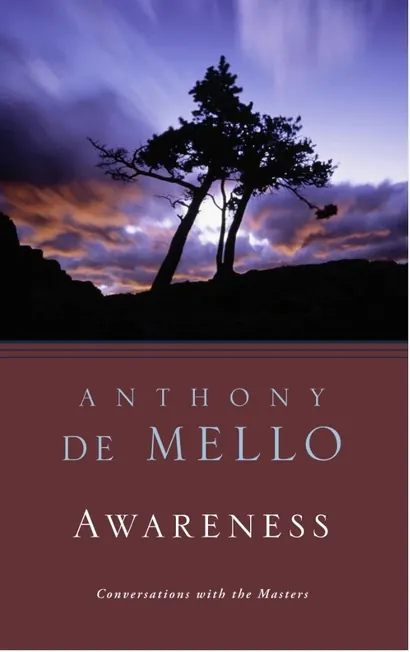
Awareness
Anthony de Mello
De Mello was an Indian Jesuit priest and psychotherapist, and this book is drawn from his talks, published after his death. Its message is simple and unsettling: most of us go through life half asleep, run by habits, labels and attachments we have never examined. Waking up means seeing them for what they are.
In counselling and in life. This is the book I recommend most. Much of therapy begins with noticing: the story you tell yourself, the fear underneath a reaction, the belief you assumed was simply true. De Mello shows how much freedom there is in seeing clearly, without judging what you see. I draw on his work on my Approach page.
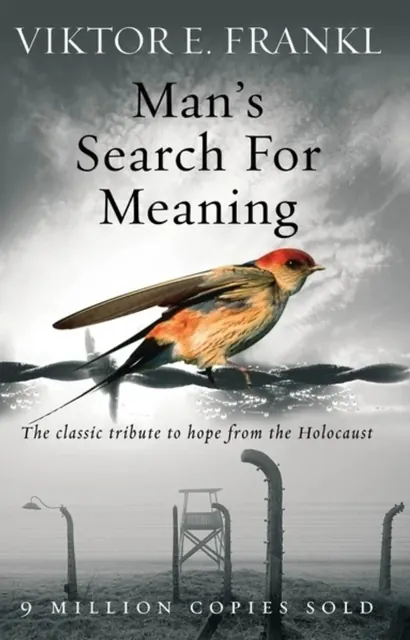
Man’s Search for Meaning
Viktor Frankl
Frankl was a Viennese psychiatrist who survived the Holocaust and the concentration camps. The first part of the book describes that experience; the second introduces logotherapy, his approach built on the idea that our deepest drive is a will to meaning. He saw that even when almost everything is taken away, a person can still choose their attitude towards what is happening.
In counselling and in life. When something cannot be changed, such as a loss, an illness or a limitation, the question shifts from “how do I fix this?” to “how do I stand in relation to it?”. It is at the heart of my existential work, and of my own story.
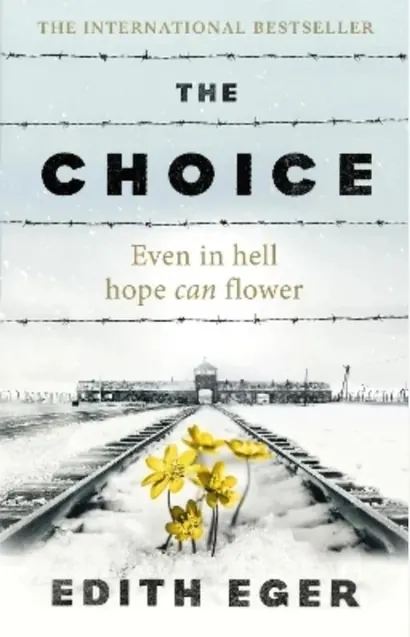
The Choice
Edith Eger
Edith Eger was sent to Auschwitz at sixteen. She survived, rebuilt her life, and later trained as a psychologist in the United States, where she worked with trauma survivors. The book tells her own story alongside the stories of the people she helped, and returns again and again to one idea: that we can become free of the prisons we build in our own minds.
In counselling and in life. Eger writes about trauma with great warmth, and without pretending that healing is quick. She shows the difference between what was done to us and what we go on doing to ourselves, and that recovery is a choice made many times over. There is more on Crisis and Trauma.
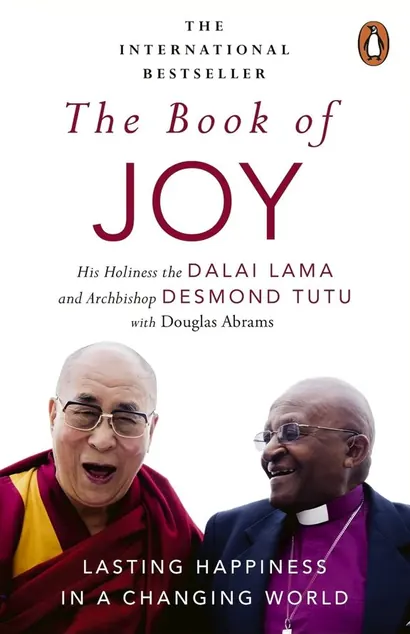
The Book of Joy
Dalai Lama and Desmond Tutu
In 2015 the Dalai Lama and Archbishop Desmond Tutu, two old friends who had both lived through exile, violence and loss, spent a week together in Dharamsala talking about joy. Written with Douglas Abrams, the book records their conversation, full of humour, and the eight qualities they saw as the pillars of joy, among them perspective, acceptance, forgiveness and gratitude.
In counselling and in life. Joy, here, is not the absence of suffering. It sits alongside it. That is a hopeful idea for anyone who feels they must first solve every problem before they are allowed any lightness. It also offers practical, everyday ways of turning towards others.
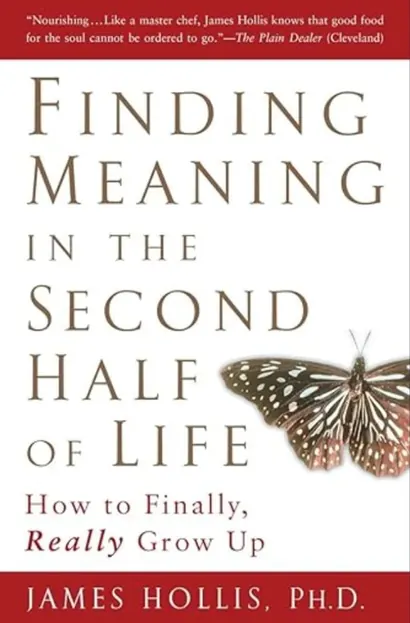
Finding Meaning in the Second Half of Life
James Hollis
Hollis is a Jungian analyst. He argues that much of the first half of life is built on what we inherited and what was expected of us, and that the second half asks a harder question: who am I, apart from my history and my roles? He calls this the task of growing up, for real.
In counselling and in life. Many people arrive in midlife, or later, having done everything right and still feeling lost. Hollis treats that unease as an invitation, not a malfunction. It is one of the books I recommend most often alongside Life Transitions, Meaning and Purpose.
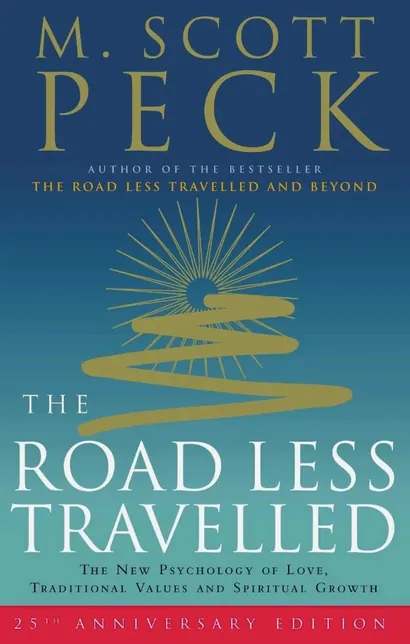
The Road Less Traveled
M Scott Peck
Peck was an American psychiatrist, and the book opens with three words that have stayed with me for years: “Life is difficult.” From there he writes about discipline, about love as a commitment to another person’s growth and your own, and about the willingness to face problems instead of avoiding them.
In counselling and in life. Peck’s point is that accepting difficulty is what makes it bearable, and that avoiding pain often causes more of it. It is a book about taking responsibility for your own life, written with compassion. I quote him on my About page.
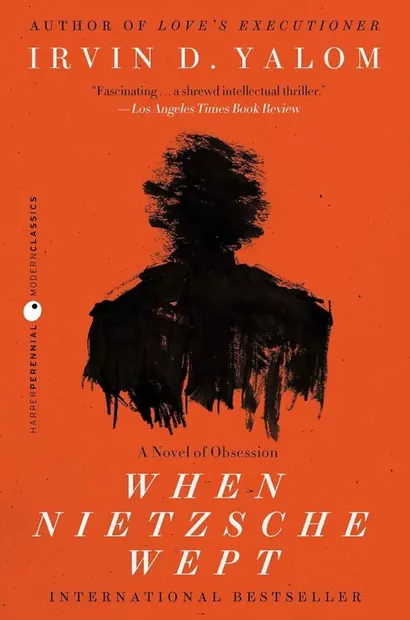
When Nietzsche Wept
Irvin Yalom
A novel set in Vienna in 1882. The physician Josef Breuer, one of the founding figures of psychoanalysis, is asked to help a despairing philosopher, Friedrich Nietzsche, who will not admit he needs help. Breuer arranges to be “treated” by Nietzsche for his own despair, and over the weeks each man ends up helping the other.
In counselling and in life. Yalom, a psychiatrist himself, uses fiction to show what can happen between two people in a therapy room: honesty, resistance, and the slow discovery that our struggles are often about freedom, meaning and mortality. It is a gentle way into existential ideas, through a story.
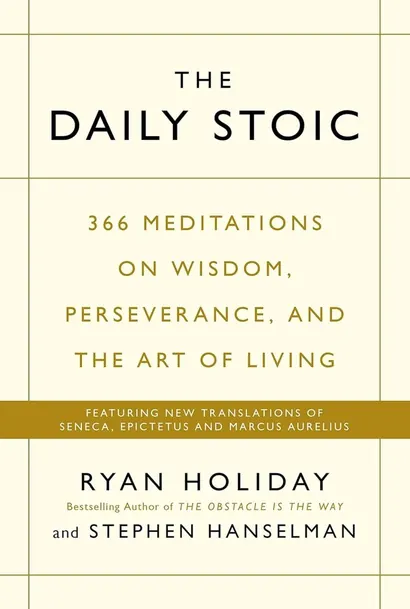
The Daily Stoic
Ryan Holiday (with Stephen Hanselman)
One short reading for each day of the year, each a passage from the Stoic philosophers, among them Marcus Aurelius, Epictetus and Seneca, followed by a brief reflection. The Stoics were practical thinkers, interested in how to live well with what life actually brings.
In counselling and in life. The central Stoic idea, that some things are within our control and many are not, is one of the most useful tools I know for anxiety and stress. Because the book is read a page a day, it suits people who want something small and steady to return to between sessions.
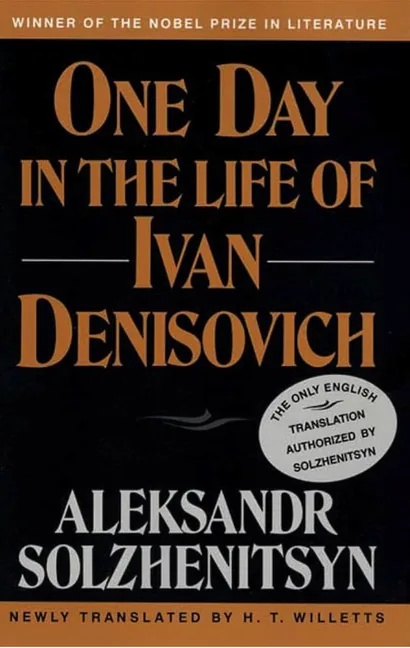
One Day in the Life of Ivan Denisovich
Aleksandr Solzhenitsyn
A short novel that follows a single day of a prisoner in a Soviet labour camp, from the morning bell to lights out. Solzhenitsyn drew on his own years in the camps. Nothing dramatic happens; the day is cold, hungry and hard, and yet Ivan holds on to small things: a well-laid wall, an extra bowl of soup, a moment of warmth.
In counselling and in life. It is a quiet lesson in getting through one day at a time, and in the dignity that can survive even severe constraint. For anyone in a long, hard stretch, it can be a reminder that a day can still hold something worth noticing.
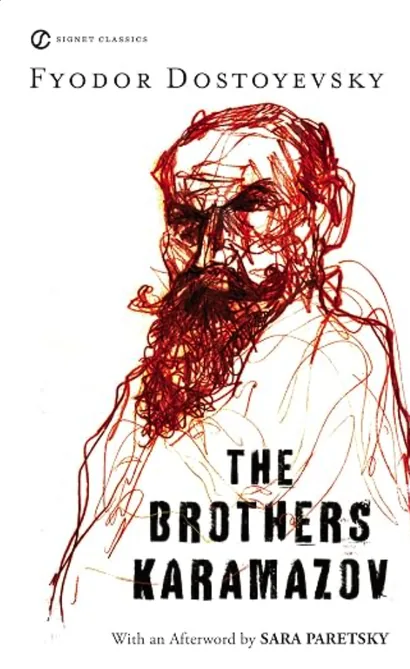
The Brothers Karamazov
Fyodor Dostoevsky
Dostoevsky’s last novel tells the story of a father and his sons, Dmitri, Ivan and Alyosha, and of a murder that draws them all in. Each brother lives out a different answer to the great questions: passion, doubt and faith, guilt and responsibility, and what we owe one another.
In counselling and in life. It is a long book, but few writers understand people as deeply. The Karamazovs show how family patterns pass from one generation to the next, and how the conflicts within a family can also be conflicts within one person. There is more on Family and Relationship Struggles.
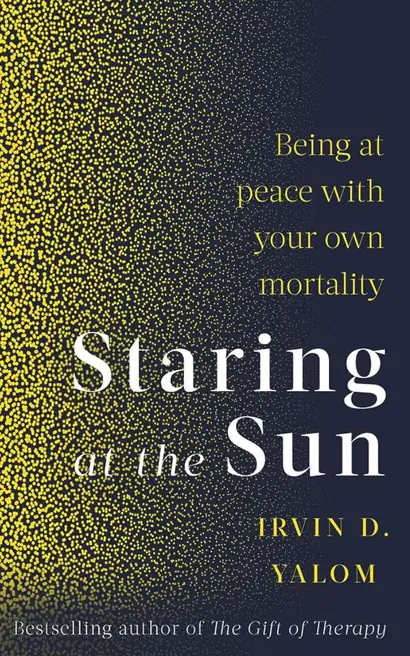
Staring at the Sun
Irvin D. Yalom
Yalom writes plainly about the fear of death: how it shows up, often in disguise, and how facing it can make life richer instead of darker. He draws on his patients, his own life and philosophers from Epicurus onwards, and describes “awakening experiences”, moments that suddenly make us take our lives seriously.
In counselling and in life. Anxiety about death often hides behind other worries, such as health, ageing or a fear of wasting time. Yalom shows that this awareness can turn into clarity about what matters. It is one of the clearest introductions to existential thinking I know.
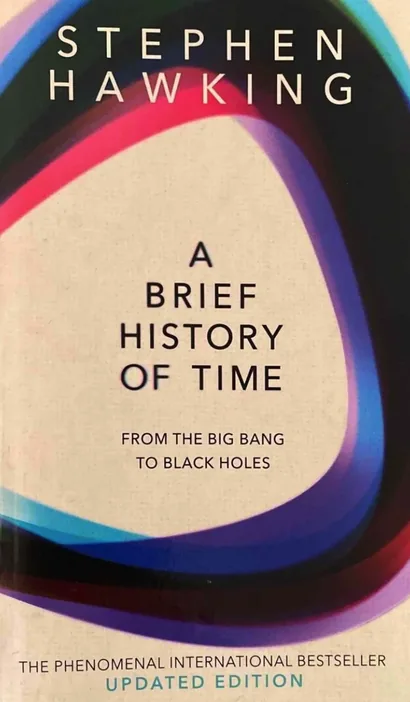
A Brief History of Time
Stephen Hawking
Hawking’s best-known book explains, for ordinary readers, the big questions of cosmology: how the universe began, what black holes are, and the nature of time itself. He wrote it while living with motor neurone disease, which he had been diagnosed with at twenty-one.
In counselling and in life. It may seem an unusual choice for a counsellor’s list. But perspective is part of healing. Standing in front of the scale of the universe can make our worries feel smaller, and our curiosity larger. And Hawking’s own life is a reminder of what remains possible within serious physical limitations.
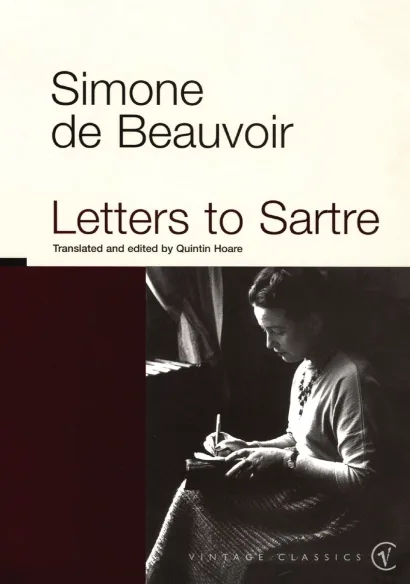
Letters to Sartre
Simone de Beauvoir
De Beauvoir’s letters to Jean-Paul Sartre, her lifelong companion, span more than three decades, including the years of war and occupation. They are frank, funny and intimate, full of daily life, friendships, work and the ideas that would shape existentialism.
In counselling and in life. The letters show two people trying to live their philosophy of freedom inside a real relationship, with all its closeness, jealousy and loyalty. They raise questions many couples and individuals face: how to stay yourself within a bond, and how honest we can be with the people we love.
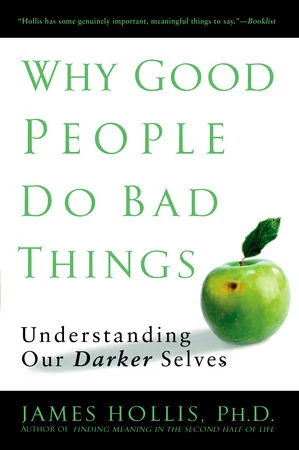
Why Good People Do Bad Things
James Hollis
Hollis turns to what Carl Jung called the shadow: the parts of ourselves we would rather not see, such as envy, anger, selfishness or fear. When they are denied, he argues, they do not disappear; they come out sideways, in our choices, our relationships and our projections onto others.
In counselling and in life. Knowing your own shadow is not about shame. It is about becoming more whole, and less driven by what you cannot see. This book can be helpful for anyone carrying guilt, or puzzled by patterns they keep repeating.
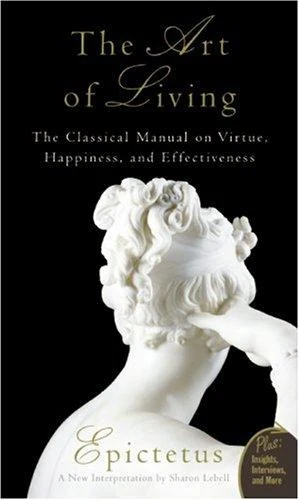
The Art of Living
Epictetus, interpreted by Sharon Lebell
Epictetus was born into slavery and became one of the great Stoic teachers, nearly two thousand years ago. This short book, a modern rendering of his teachings by Sharon Lebell, sets out his practical wisdom: tell apart what is up to you from what is not, and put your energy into the first.
In counselling and in life. Epictetus taught that we are disturbed less by events than by the views we take of them, an idea that modern cognitive therapies owe a great deal to. It is a book to keep nearby, for days when worry and frustration take over.
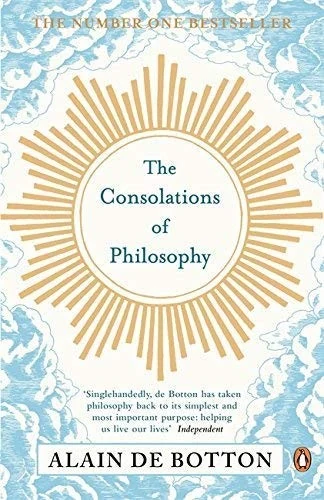
The Consolations of Philosophy
Alain de Botton
De Botton takes six philosophers and asks what each can offer for a common human difficulty: Socrates for unpopularity, Epicurus for not having enough money, Seneca for frustration, Montaigne for feelings of inadequacy, Schopenhauer for a broken heart, and Nietzsche for difficulties in general.
In counselling and in life. It is light, readable and often funny, and it shows that philosophy can be practical comfort, not just theory. A good place to start if you are curious about the thinkers behind much of my work, but unsure where to begin.
Getting in touch
If something in one of these books has stirred a question you would like to talk about, you are welcome to send me a message.
← Return to Resources